

More than a decade of breakthroughs come together as immune response biomarker makes its way into the clinic
A recent study published in Trends in Immunology has shed light on the role of an immune response biomarker known as Interferon Alpha Inducible Protein 27 (IFI27).
First identified 12 years ago by a team at WIMR’s Centre for Immunology and Allergy Research, led by Dr Ben Tang and Dr Maryam Shojaei, IFI27 is emerging as a key factor in a range of host immune responses and is potentially implicated in not only infectious diseases, but also cancer, autoimmune disorders and inflammatory conditions.
Recently, IFI27 has been included in an FDA-cleared infection diagnostic kit developed by Inflammatix and Stanford University. This rapid blood test measures a signature panel of host immune response genes to help clinicians assess infection type and severity, with the goal of improving outcomes and healthcare efficiency.
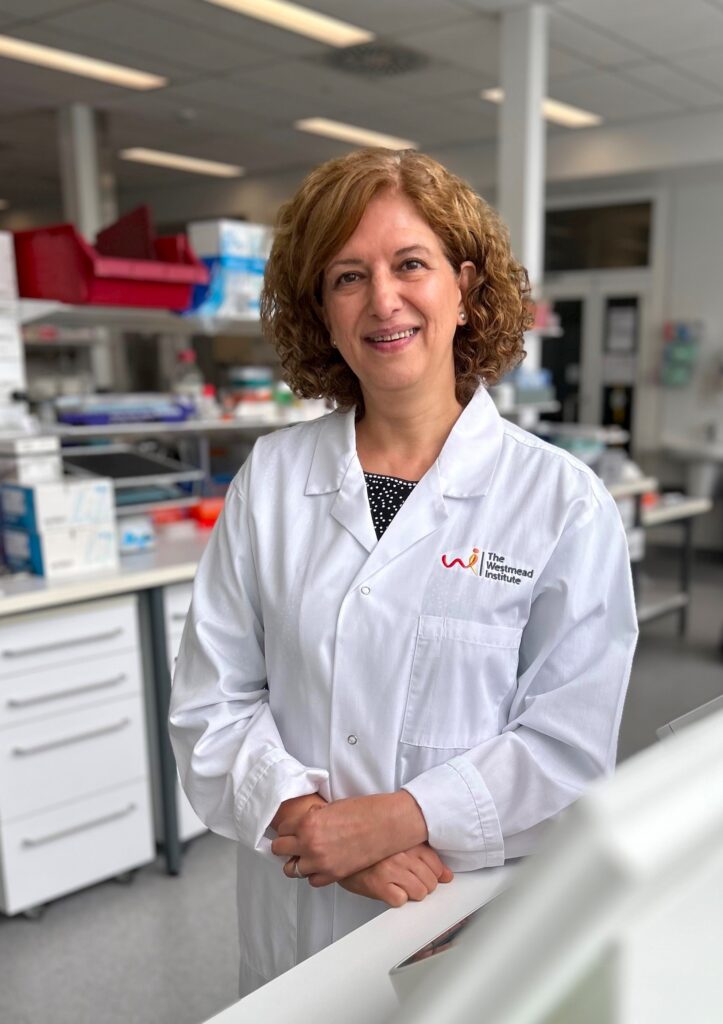
Dr Shojaei says, “Precision medicine is undoubtedly the future of health care. If we are to further develop precision medicine, we need access to reliable diagnostic and treatment evaluation biomarkers. IFI27 stands out as a biomarker, having repeatedly been identified as highly expressed across a vast range of conditions. Its inclusion in this diagnostic kit is just the tip of the iceberg.”
IFI27 is commonly found to have increased expression in infections, cancers and inflammatory and autoimmune disorders. Most often it supports immune defense, but conversely, it can also contribute to disease progression.
Dr Shojaei explains, “IFI27’s dual and, at times, contrasting roles underscore its complexity in disease processes while also emphasising its potential as a valuable biomarker for diagnosis, prognosis, and treatment response.
“On one hand, it provides antiviral protection against viruses like dengue, respiratory syncytial virus (RSV), HIV and Hepatitis viruses. On the other hand, IFI27 can help pathogens to evade the immune system in conditions like SARS-CoV-2 and influenza virus.”To fully unlock its clinical potential, further research is needed to explore its function as both a biomarker and a therapeutic target for immune modulation.
“This publication marks a significant milestone for our research team and serves as an invitation to the wider scientific and clinical community to explore the full potential of this biomarker,” says Dr. Shojaei.
“The hard work and dedication put in over many years by our team have contributed to the advancement of science and medicine. We are excited to expand collaborations to further advance our work and improve patient outcomes through innovative immunology research.”
This research study was awarded a NSW Health Research and Innovation Award and is supported by the Nepean Institute of Critical Care Education and Research and the Nepean ICU trust fund.
🔗 Read the full article here: Elsevier – Trends in Immunology https://www.sciencedirect.com/science/article/pii/S1471490625000262
SEARCH
RECENT POSTS
CATEGORIES
Share


